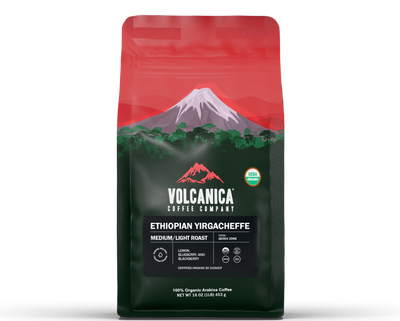
Ethiopian Yirgacheffe Coffee is a unique USDA organic coffee with a complex origin and truly exotic flavor with pleasant acidity. Yirgacheffe is a coffee region in southern Ethiopia that produces distinctively floral and fruit-toned coffees from traditional varieties of Arabica long grown in the region from wild coffee trees.
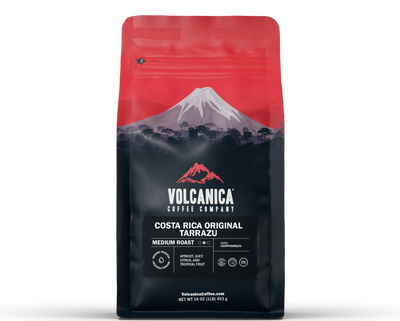
Costa Rica Coffee is grown at high altitudes on volcanic soil, where the cherries ripen more slowly, which gives it a rich and hearty flavor. This single-origin Tarrazu Estate Costa Rica Coffee, known as one of the finest in the world, is master roasted to medium color to preserve the naturally full, elegant, and rich flavors.
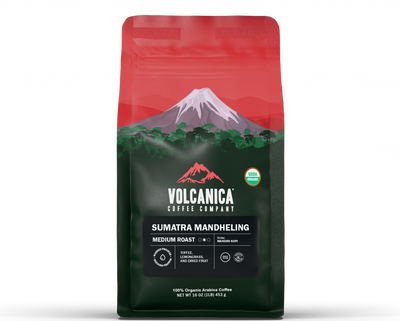
Sumatra Mandheling Coffee is a rare Indonesian coffee that is delightfully smooth with a rich, heavy body, low acidity, exotic flavor with an intense syrupy aftertaste, and earthy richness. Rated a low acid coffee due to the lower acidity.
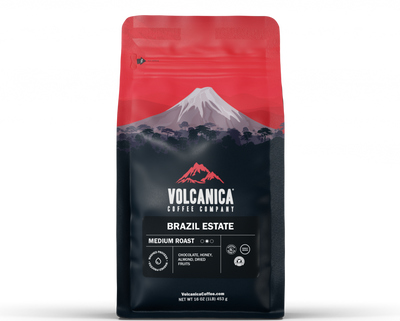
Brazil Coffee is an estate coffee from the Minas Gerais region. It has an amazing taste with hints of sweetness, chocolate notes, balanced acidity, and a pleasantly clean taste.
Ethiopian Yirgacheffe Coffee is a unique USDA organic coffee with a complex origin and truly exotic flavor with pleasant acidity. Yirgacheffe is a coffee region in southern Ethiopia that produces distinctively floral and fruit-toned coffees from traditional varieties of Arabica long grown in the region from wild coffee trees.
Costa Rica Coffee is grown at high altitudes on volcanic soil, where the cherries ripen more slowly, which gives it a rich and hearty flavor. This single-origin Tarrazu Estate Costa Rica Coffee, known as one of the finest in the world, is master roasted to medium color to preserve the naturally full, elegant, and rich flavors.
Sumatra Mandheling Coffee is a rare Indonesian coffee that is delightfully smooth with a rich, heavy body, low acidity, exotic flavor with an intense syrupy aftertaste, and earthy richness. Rated a low acid coffee due to the lower acidity.
Brazil Coffee is an estate coffee from the Minas Gerais region. It has an amazing taste with hints of sweetness, chocolate notes, balanced acidity, and a pleasantly clean taste.
What is Cuban Coffee? The Complete Guide to Café Cubano
07.25.2026
5 MIN READ
There are coffees you drink, and then there are coffees that carry an entire culture in the cup. Cuban coffee — café cubano — is the latter.
Whether you've stood at a Miami ventanita and sipped a tiny, sweet shot of espresso passed through a window, or you're just discovering this tradition for the first time, café cubano is one of the most distinctive and beloved coffee experiences in the world. Here's everything you need to know.
What is Cuban Coffee?
Cuban coffee, known as café cubano or cafecito, is a style of espresso that originated in Cuba and took deep root in the United States — particularly in Miami — through generations of Cuban immigration. What sets it apart from a standard espresso isn't just the bean or the roast. It's the ritual.
The defining element of café cubano is espumita — a thick, sweet foam made by whipping demerara sugar with the very first drops of espresso as they emerge from the moka pot. The result is a concentrated, intensely sweet shot with a caramelized depth that is unlike anything else in coffee.
The History Behind the Cup
Coffee arrived in Cuba in the 18th century, carried by French colonists fleeing the Haitian Revolution. By the mid-19th century, Cuba had become one of the world's leading coffee exporters — producing over 60,000 tons annually by the 1940s.
The Cuban Revolution of the 1950s nationalized agriculture and disrupted production. But it also sparked one of the most significant cultural migrations in American history. Nearly a quarter million Cubans came to the United States, settling largely in South Florida — and with them came their food, their music, and their coffee.
"Just as the French brought their coffee culture from Haiti to Cuba over a century before, Cubans brought their beautiful traditions to Miami — and café cubano became part of the city's identity."
Today, the ventanita — the walk-up coffee window — is as much a part of Miami as the ocean breeze.
How to Make Café Cubano
Traditional café cubano is brewed in a moka pot on the stovetop. The method is simple, but the technique matters.
Fill the moka pot's bottom chamber with water up to the pressure valve.
Pack the filter basket with finely ground, dark-roasted espresso coffee.
Place 1–2 tablespoons of demerara sugar in a small cup or pitcher.
As the first drops of espresso emerge, pour them over the sugar and whip vigorously with a spoon until a thick, pale foam forms — this is your espumita.
Let the rest of the espresso brew, then pour it over the foam and stir gently.
The espumita is everything. That caramelized sugar foam is what transforms a shot of espresso into something wholly Cuban.
The Cuban Coffee Drinks You Should Know
Cafecito (Café Cubano) The classic. A small, intensely sweet shot of Cuban espresso, served in a tiny cup and consumed quickly — often shared among friends. This is the foundation of the entire tradition.
Café con Leche Cuban espresso combined with warm, steamed milk in roughly a 1:3 coffee-to-milk ratio. Richer and sweeter than a latte, it's a staple of Cuban breakfasts — often paired with buttered Cuban toast.
Cortadito A middle ground between a cafecito and café con leche. Cuban espresso "cut" with a small amount of steamed milk — more coffee-forward, with about 4 oz less milk than a café con leche.
Colada A larger portion of café cubano served in a styrofoam cup alongside several small plastic cups — meant to be shared. As much a social ritual as a beverage.
What Makes a Great Cuban Coffee?
The best café cubano starts with the right bean. You're looking for a dark-roasted espresso blend from Central and South American origins — bold enough to cut through sugar and milk without losing its character.
Origin: Brazil, Colombia, and Guatemala are the classic choices, delivering the body, natural sweetness, and low acidity that define authentic café cubano.
Roast: Dark, bringing out notes of chocolate, caramel, and toasted nuts.
Acidity: Low — a smoother, more drinkable espresso, especially when enjoyed multiple times a day as is common in Cuban culture.
Grind: Espresso grind for a moka pot or espresso machine.
Our Café Cubano
At Volcanica Coffee, we've carefully curated a blend of ethically sourced Brazil, Colombia, and Guatemala beans — dark-roasted to honor the tradition of Miami's iconic Cuban cafés. It's Kosher certified, rated low acid (pH 5.1), and so authentic that several Cuban cafés in Miami and Atlanta serve it to their own customers.
"So authentic that several Cuban cafés serve our Café Cubano to their customers."
Available in whole bean, drip grind, espresso grind, and French press — in 16 oz, 3 lb, and 5 lb sizes.
Is Cuban coffee stronger than regular coffee? Yes. It's espresso-based, brewed in a concentrated style, and served in small, potent shots. The demerara sugar balances the intensity without reducing the caffeine.
What coffee is used for Cuban coffee? A dark-roasted espresso blend from Latin American origins, ground fine for use in a moka pot or espresso machine.
Can I make Cuban coffee without a moka pot? Yes — an espresso machine works well. The key step is still whipping the sugar with the first drops of espresso to create the espumita. That part is non-negotiable.
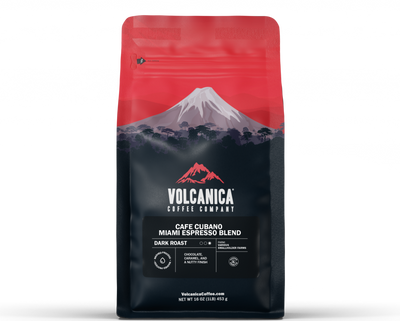
Cuban Coffee is the traditional Cafe Cubano espresso blend inspired by the Cuban culture. This blend was specially formulated like the same Cuban Coffee that you find in the cafes throughout Miami, Florida.

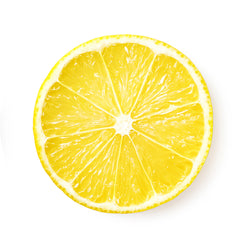 Lemon
Lemon
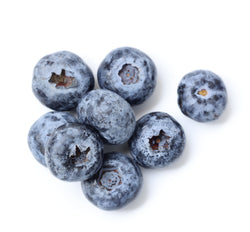 Blueberry
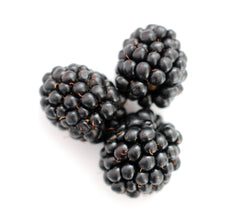 Blackberry
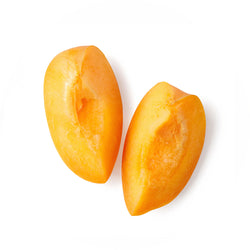 Apricot
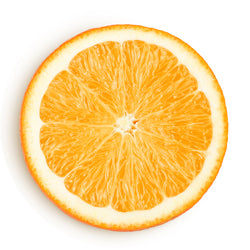 Citrus
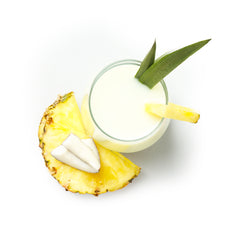 Tropical
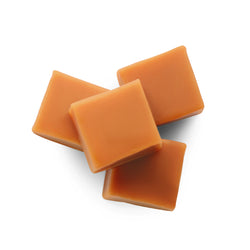 Toffee
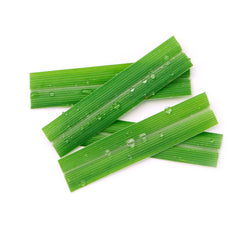 Lemongrass
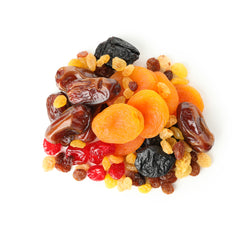 Dried Fruits
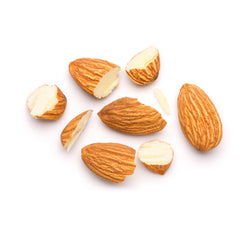 Almond
 Honey
Honey
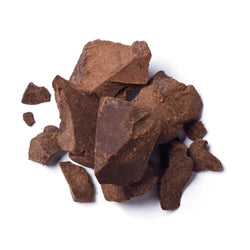 Chocolate
 Lemon
Lemon
 Blueberry
 Blackberry
 Apricot
 Citrus
 Tropical
 Toffee
 Lemongrass
 Dried Fruits
 Almond
 Honey
Honey
 Chocolate